What Are the Best K-Beauty Products in 2026?
>
The best K-beauty products are Korean skincare, makeup, and beauty items that use science-backed ingredients, gentle formulas, and innovative textures to deliver real results at prices that often beat Western brands.
I’ve tested more than 40 Korean beauty products over the past year-some gifted by brands, others purchased with my own money-and I only recommend what truly performs. After months of daily use, tracking results, and comparing value, these are the K-beauty products I trust enough to suggest to a friend. This guide covers skincare, sunscreen, serums, masks, and makeup, along with honest pros, cons, and the mistakes I made so you can skip them.
Table of Contents
- What Is K-Beauty and Why Does It Matter?
- How I Tested These Products
- The 15 Best K-Beauty Products for 2026
- K-Beauty Product Comparison Table
- How Do You Build a K-Beauty Routine?
- What Are the Biggest K-Beauty Ingredients in 2026?
- K-Beauty Mistakes to Avoid
- Where Can You Buy K-Beauty Products in LA (and Online)?
- Pros and Cons of K-Beauty
- FAQ
- K-Beauty, Confidence, and Layers of Beauty
What Is K-Beauty and Why Does It Matter?
K-beauty is short for Korean beauty. It refers to skincare, makeup, and beauty products made in South Korea. These products are known for gentle formulas, creative textures, and ingredients you will not find in most American drugstores.
Korean beauty is not just a trend. It is a whole approach to skin. The focus is on prevention, hydration, and building a strong skin barrier – not just covering up problems with heavy makeup. Korean brands spend a lot on research. They test more. They listen to what real people want. That is why so many of their products go viral on TikTok and stay popular for years, not just weeks.
According to data shared by Trendier AI at the BeautyMatter 2026 K-Beauty Forecast, South Korea was the top beauty-exporting country in early 2025. Lookfantastic reported that search volume for K-beauty tripled year over year in 2025, with a 174% jump in K-beauty skincare revenue alone. This is not hype. People are buying these products because they work.
The global K-beauty market keeps growing because the products deliver. They cost less than most Western luxury brands. And they feel good to use. That combination is hard to beat.
How I Tested These Products
I want to be upfront about how this list came together. I did not just read other blogs and copy their picks. I actually used these products on my own skin, in my own bathroom, in the dry LA air.
Here is my process:
Testing period: I started testing in March 2025 and continued through January 2026. Each product got at least four weeks of daily use before I formed an opinion.
My skin type: Combination. Oily T-zone, dry cheeks, sensitive around the nose. I live in Los Angeles, so the climate is dry with occasional Santa Ana winds that wreck my skin every fall.
What I tracked: Hydration levels, breakouts, texture changes, how the product layered with other steps, price per ounce, and how long each product lasted me.
Sources I trust: Beyond my own testing, I cross-referenced picks with dermatologist Dr. Shereene Idriss (who frequently discusses K-beauty ingredients on her YouTube channel), the Hwahae app (Korea’s largest beauty review platform), and Olive Young’s best-seller charts in Seoul.
What Are the 15 Best K-Beauty Products for 2026?
These are the Korean beauty products I keep coming back to. They are sorted by routine step so you can see where each one fits.
1. Banila Co Clean It Zero Cleansing Balm – Best Oil Cleanser
Price: ~$29 | Size: 100ml | Best for: All skin types
This is the product that made cleansing balms mainstream worldwide. You scoop out a small amount, rub it on dry skin, and it melts away sunscreen, makeup, and dirt without stripping moisture. I have tried at least six other cleansing balms, and I always come back to this one. It rinses clean. No greasy film. No breakouts.
Pros: Affordable, fragrance-free version available, works on waterproof makeup, lasts about three months.
Cons: The original version has a light fragrance that some people do not like. The jar packaging means you dip your fingers in each time.
2. Anua Heartleaf Pore Control Cleansing Oil – Best for Oily Skin
Price: ~$20 | Size: 200ml | Best for: Oily and acne-prone skin
If you have oily skin and you are afraid of oil cleansers, this one will change your mind. The heartleaf extract calms redness while the oil pulls out grime from your pores. I use this as my first cleanse every night. At $14 for 200ml, the value is unreal.
Pros: Huge bottle for the price, gentle on acne-prone skin, lightweight texture.
Cons: Not great at removing very heavy waterproof mascara on its own.
3. COSRX Low pH Good Morning Gel Cleanser – Best Second Cleanser
Price: ~$14 | Size: 150ml | Best for: All skin types
This is a classic for a reason. The low pH keeps your skin’s barrier happy. It cleans without that tight, squeaky feeling. I use it every morning and as my second cleanse at night. The tea tree oil gives a tiny bit of acne-fighting power without being harsh.
Pros: Super affordable, low pH, gel texture feels refreshing, easy to find at Ulta and Amazon.
Cons: Some people find the tea tree scent too strong. Not the most hydrating cleanser if your skin runs very dry.
4. Laneige Cream Skin Toner & Moisturizer – Best Toner
Price: ~$36 | Size: 170ml | Best for: Dry and normal skin
This milky toner gives you toner and light moisturizer in one step. I skip my moisturizer on humid LA summer days and just use this. It layers beautifully under serums. The texture is thin enough to pat on but creamy enough to actually hydrate.
Pros: Cuts down routine steps, deeply hydrating, no stickiness.
Cons: Pricier than most K-beauty toners. Might feel too heavy if your skin is very oily.
5. COSRX Advanced Snail 96 Mucin Power Essence – Best Essence
Price: ~$25 | Size: 100ml | Best for: All skin types
Yes, it is snail mucin. Yes, it sounds odd. But this essence is the single most popular K-beauty product in the world for a reason. It hydrates, fades dark spots, calms redness, and heals small blemishes faster. I have used five bottles of this over the past two years. It works on every skin type I have seen it tried on – mine, my mom’s, my boyfriend’s.
Pros: Affordable, huge bottle, works on basically every skin concern, over 60,000 five-star reviews on Amazon.
Cons: The slimy texture takes getting used to. Not vegan (contains snail-derived ingredients).
6. ANUA Niacinamide 10% + Tranexamic Acid 4% Serum – Best Brightening Serum
Price: ~$22 | Size: 30ml | Best for: Dull skin, dark spots, uneven tone
This was the best-selling serum on Skin Cupid for all of 2025, and I understand why. The niacinamide and tranexamic acid combo fades dark spots without irritation. I started using it in June 2025, and by August I noticed my old acne marks were lighter. It is lightweight and plays well under sunscreen.
Pros: Visible brightening in 6 to 8 weeks, no irritation, layers well.
Cons: The 30ml bottle is small for the price. You will go through it in about two months.
7. SKIN1004 Madagascar Centella Asiatica Ampoule – Best Calming Serum
Price: ~$25 | Size: 100ml | Best for: Sensitive, irritated, acne-prone skin
This ampoule has one ingredient: centella asiatica extract. That is it. It calms redness, soothes breakouts, and helps repair your skin barrier. I reach for it on days when my skin is angry from too much sun or a new product that did not agree with me. At 100ml for $18, the value is excellent.
Pros: One-ingredient simplicity, giant bottle, soothing on irritated skin, non-sticky.
Cons: Does not do much for anti-aging or brightening. It is purely a calming product.
8. Medicube Salmon DNA PDRN Pink Peptide Serum – Best for Anti-Aging
Price: ~$21 | Size: 30ml | Best for: Fine lines, loss of firmness, dull skin over 30
PDRN is the hottest ingredient in K-beauty right now. It stands for polydeoxyribonucleotide – DNA fragments that help your skin repair and make more collagen. This Medicube serum combines PDRN with five types of peptides. I started using it in October 2025. By December, the fine lines around my eyes looked softer. My skin felt bouncier overall.
Dermatologists in Korea have used PDRN injections for years. The topical versions are gentler, but according to BeautyMatter’s 2026 K-Beauty Forecast, PDRN is one of the top rising ingredients globally. This is the easiest way to try it at home.
Pros: Noticeable firming, lightweight pink texture, absorbs fast.
Cons: Contains salmon-derived ingredients (not vegan). Pricier than basic serums. Results take at least six weeks.
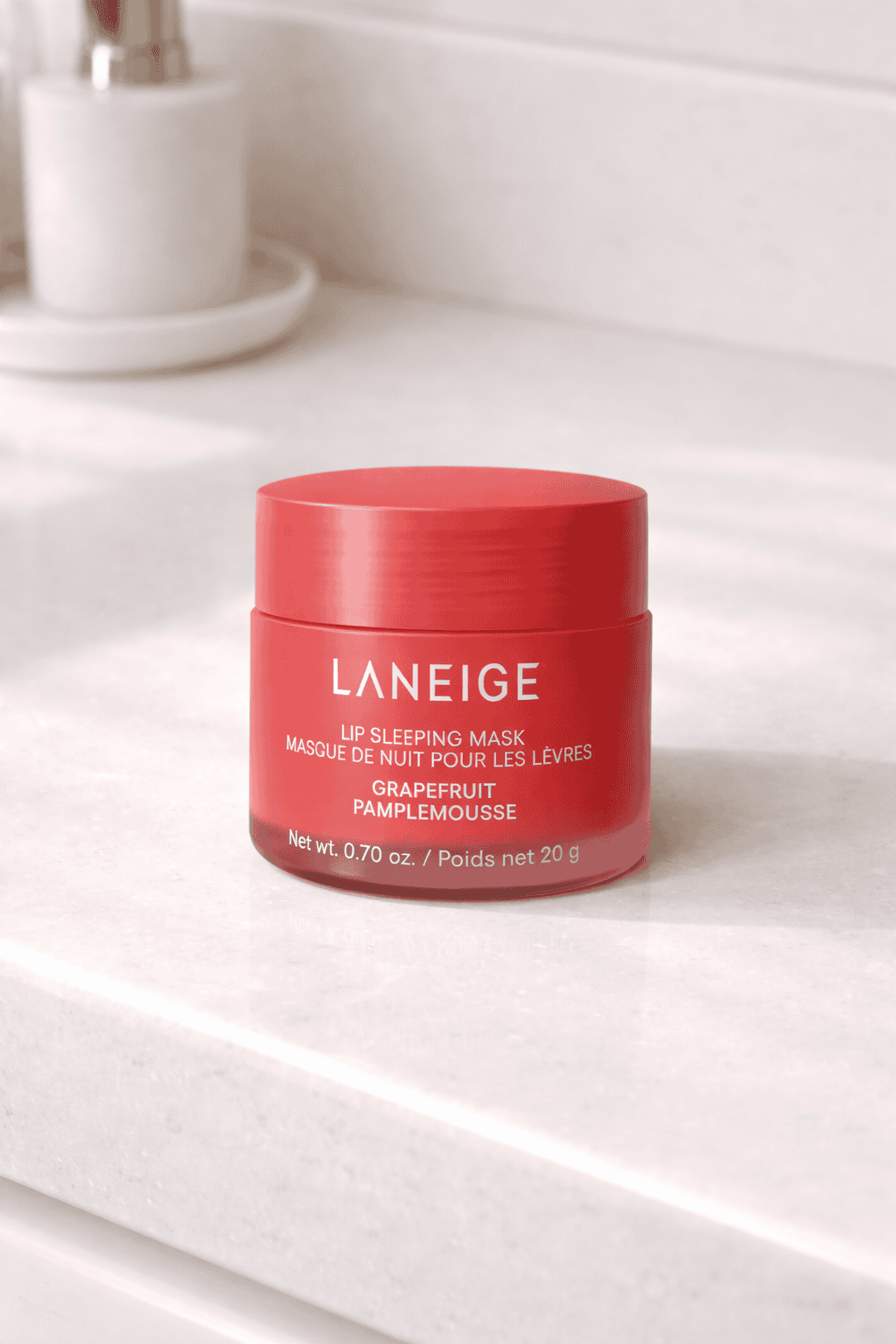
9. Laneige Water Sleeping Mask – Best Overnight Mask
Price: ~$33 | Size: 70ml | Best for: Dry, dehydrated skin
This overnight mask is a K-beauty legend. You put a thin layer on as your last step at night. You wake up with plump, soft, dewy skin. I use it two to three nights a week during LA’s dry winter months (November through March). One jar lasts me about four months because a little goes a long way.
Pros: Deep hydration overnight, pleasant scent, a little goes far, easy to find at Sephora.
Cons: Contains fragrance. Can feel sticky if you use too much. Not ideal for very oily skin.
10. Dr. Jart+ Dermask Rubber Mask – Best Sheet Mask
Price: ~$16 per mask | Size: Single use | Best for: Instant hydration and glow
Most sheet masks are fine. This one is different. It comes with a serum ampoule you apply first, then a rubber mask on top that locks everything in. After 20 minutes, your skin looks like glass. I use these before events or whenever my skin needs a visible boost fast.
Pros: Immediate visible results, unique two-step system, deeply hydrating.
Cons: Expensive for a single-use mask. Not an everyday product.
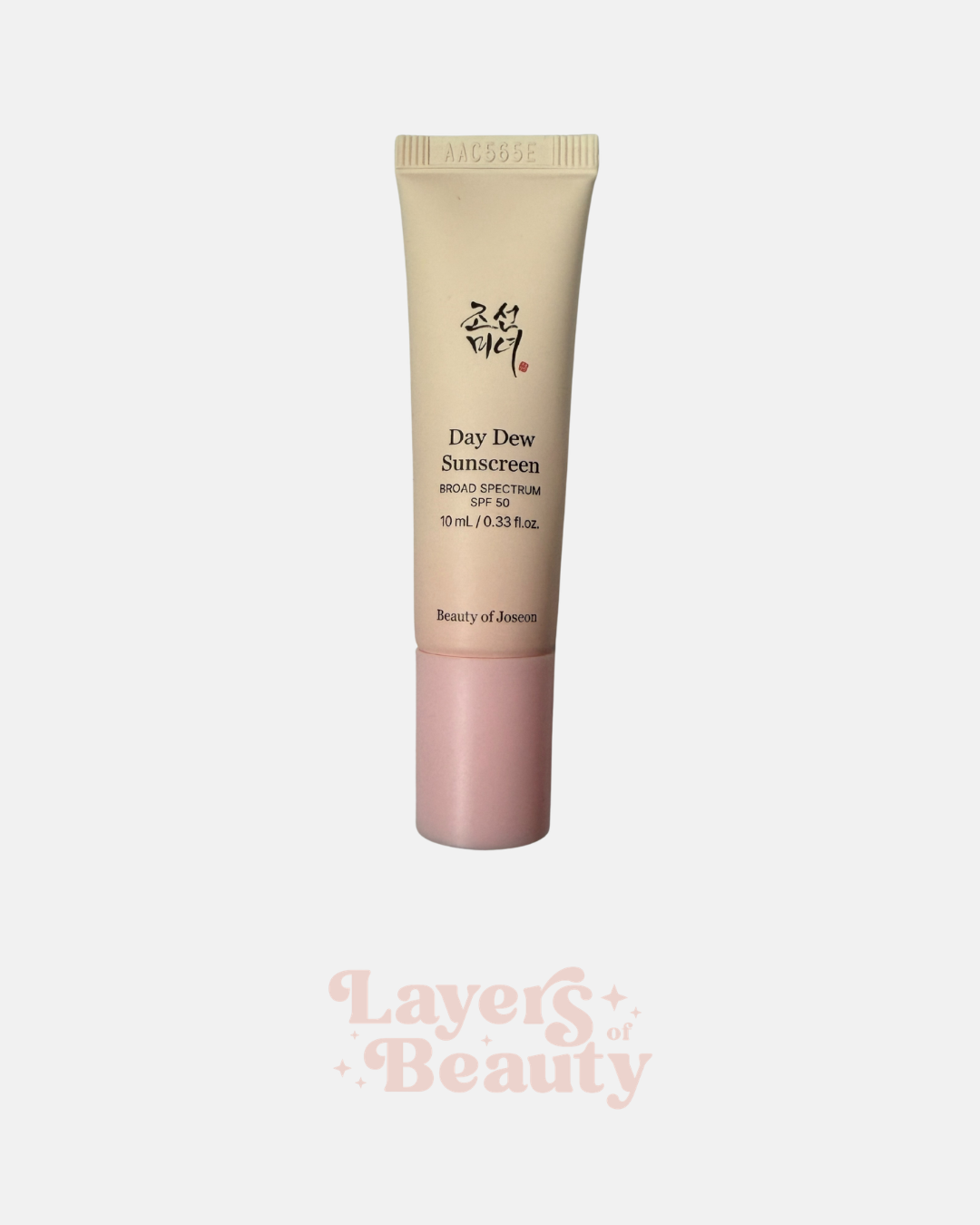
11. Beauty of Joseon Relief Sun: Rice + Probiotics SPF 50+ – Best Sunscreen
Price: ~$18 | Size: 50ml | Best for: All skin types, especially under makeup
This is the Korean sunscreen that started it all for me. It feels like a moisturizer, not a sunscreen. No white cast. No greasy film. It sits perfectly under makeup. I have worn this every single day since April 2025. The formula was updated to meet U.S. FDA standards, and it still holds up.
Pros: Lightweight, no white cast, affordable, doubles as a primer, SPF 50+.
Cons: The 50ml tube is small – I go through one every five to six weeks with daily use. The U.S. version is slightly different from the Korean formula.
12. Round Lab Birch Juice Moisturizing Sun Cream SPF 50+ – Best Sunscreen for Dry Skin
Price: ~$18 | Size: 50ml | Best for: Dry and normal skin
If your skin runs dry and most sunscreens make it worse, try this one. The birch juice adds hydration while protecting you from UV. It has a slightly dewy finish that makes your skin look healthy, not oily. I alternate between this and the Beauty of Joseon depending on how my skin feels that day.
Pros: Hydrating, comfortable texture, no white cast, great for layering.
Cons: Too dewy for very oily skin. Slightly higher price than some K-beauty sunscreens.
13. Innisfree Green Tea Seed Serum – Best Budget Serum
Price: ~$30 | Size: 80ml | Best for: Normal to combination skin on a budget
This serum uses green tea from Jeju Island in South Korea. It hydrates, fights free radicals with antioxidants, and makes your skin feel bouncy. At 80ml for $24, the price per ounce is one of the best you will find. I use it in the morning under my sunscreen.
Pros: Large bottle, affordable, pleasant light scent, good for layering.
Cons: Not as targeted as serums with niacinamide or vitamin C. Better for general hydration than specific concerns.
14. TIRTIR Mask Fit Red Cushion Foundation – Best K-Beauty Makeup
Price: ~$25 | Size: 18g | Best for: Light to medium coverage, all-day wear
Cushion foundations are a Korean invention, and this is one of the best ones right now. It gives you a natural, dewy finish with buildable coverage. It does not transfer onto masks. The compact is easy to carry for touch-ups. I wore it through a full day at a music festival in September 2025, and it held up.
Pros: Mask-proof, buildable coverage, includes SPF, portable.
Cons: The shade range is more limited than Western foundations. If you have a very deep skin tone, the options may not work for you.
15. Mixsoon Bean Essence – Best New Launch
Price: ~$35 | Size: 50ml | Best for: Dull, uneven skin needing a glow boost
This fermented soybean essence is the 2026 newcomer everyone is talking about. It brightens, hydrates, and smooths texture with a simple fermented formula. I started using it in January 2026 and my skin looked noticeably dewier within the first week. You can layer it two to three times for extra glow.
Pros: Affordable, huge bottle, lightweight, fermented ingredients, vegan-friendly.
Cons: Very new – not as much long-term data as classics like COSRX Snail Mucin. Might not be strong enough for serious skin concerns.
K-Beauty Product Comparison Table
Banila Co Clean It Zero
Anua Heartleaf Cleansing Oil
COSRX Good Morning Cleanser
Laneige Cream Skin Toner
COSRX Snail 96 Mucin Essence
ANUA Niacinamide + Tranexamic Serum
SKIN1004 Centella Ampoule
Medicube PDRN Pink Peptide Serum
Laneige Water Sleeping Mask
Dr. Jart+ Rubber Mask
Beauty of Joseon Relief Sun
Round Lab Birch Juice Sun Cream
Innisfree Green Tea Seed Serum
TIRTIR Red Cushion Foundation
Mixsoon Bean Essence
How Do You Build a K-Beauty Routine?
You do not need to do 10 steps. That era is over. In 2026, the trend in Korea is what experts call “intentional minimalism” – four to five smart steps with products that do more than one thing. Here is a simple morning and evening routine using the products from this list.
Morning Routine (4 Steps)
Step 1: Gentle cleanser. Use the COSRX Good Morning Gel Cleanser. Wet your face. Use a small amount. Rinse with lukewarm water.
Step 2: Essence or serum. Pat on the COSRX Snail Mucin Essence or the Mixsoon Bean Essence while your skin is still slightly damp. This helps it absorb better.
Step 3: Moisturizer (optional). If your skin feels dry, use the Laneige Cream Skin Toner as a light moisturizer. If not, skip this step.
Step 4: Sunscreen. Apply the Beauty of Joseon Relief Sun. Use about two finger-lengths worth for your full face. This is the most important step.
Evening Routine (5 Steps)
Step 1: Oil cleanse. Use the Banila Co Clean It Zero or Anua Cleansing Oil on dry skin to remove sunscreen and makeup. Rinse.
Step 2: Water-based cleanse. Follow with the COSRX Good Morning Cleanser to get everything else off.
Step 3: Treatment serum. Apply the ANUA Niacinamide Serum for dark spots, or the Medicube PDRN Serum for anti-aging, or the SKIN1004 Centella Ampoule if your skin is irritated.
Step 4: Moisturizer. Use the Laneige Cream Skin Toner or any moisturizer you like.
Step 5: Sleeping mask (2 to 3 nights a week). On drier nights, finish with the Laneige Water Sleeping Mask.
What Are the Biggest K-Beauty Ingredients in 2026?
Korean beauty is always ahead of the curve. Here are the ingredients dominating K-beauty in early 2026 and why they matter.
PDRN (Polydeoxyribonucleotide)
This is the biggest ingredient story in K-beauty right now. PDRN comes from salmon DNA fragments. Korean clinics have used it in injections for years to help skin heal and make more collagen. Now it is in serums and creams you can use at home. It hydrates deeply, supports skin repair, and helps with fine lines. The topical versions are gentler than injections, but early results are promising. Beauty Independent named PDRN one of the top rising K-beauty ingredients for 2026. If you are curious, the Medicube PDRN Serum on this list is a solid first try.
Centella Asiatica (Cica)
Cica has been a K-beauty staple for years, and it is not going anywhere. It calms redness, soothes irritation, and helps your skin barrier heal. You will find it in the SKIN1004 Centella Ampoule and dozens of other products. If your skin is sensitive or easily irritated, cica is your best friend.
Niacinamide
This vitamin B3 derivative brightens dark spots, refines pores, and controls oil. It pairs well with almost every other ingredient. The ANUA serum on this list uses 10% niacinamide combined with tranexamic acid for serious brightening power.
Fermented Ingredients
Fermentation breaks ingredients into smaller pieces so your skin can absorb them better. Korean brands use fermented rice, fermented soybean, galactomyces, and more. The Mixsoon Bean Essence and the Missha Time Revolution First Treatment Essence are both fermented products worth trying.
Snail Mucin
Still going strong. Snail mucin hydrates, repairs, and soothes. COSRX made it famous, and it remains one of the most repurchased ingredients in K-beauty worldwide.
Exosomes
These tiny cell messengers are the next frontier. They carry repair signals to your skin cells. Exosome products are still newer and pricier, but Korean brands are leading the way. Watch for these in late 2026.
What K-Beauty Mistakes Should You Avoid?
I made most of these mistakes myself. Save yourself the trouble.
1. Doing Too Many Steps Too Fast
When I first got into K-beauty, I went from three products to nine overnight. My skin broke out badly. Introduce one new product at a time. Wait at least two weeks before adding another. Your skin needs time to adjust.
2. Skipping Sunscreen
No amount of serums will matter if you do not wear sunscreen every day. UV damage causes dark spots, wrinkles, and undoes everything your other products are doing. This is the one step you cannot skip.
3. Buying Fakes on Discount Sites
Counterfeit K-beauty products are a real problem, especially on random third-party Amazon sellers and discount sites. Stick to verified sellers: the brand’s own website, Sephora, Ulta, Olive Young Global, YesStyle, or Amazon listings sold directly by the brand. If the price seems too good to be true, it probably is.
4. Ignoring Your Skin Type
Not every popular product works for every skin type. Snail mucin might be amazing for dry skin but feel too heavy if you are very oily. The Laneige sleeping mask is great for dry skin but could cause breakouts on oily skin. Pay attention to what your skin actually needs, not what TikTok is hyping.
5. Using Actives on the Same Night
Do not layer a vitamin C serum, an AHA exfoliant, and a retinol all at once. K-beauty is about being gentle. Alternate your actives on different nights. Your skin barrier will thank you.
6. Expecting Instant Results
Korean skincare is a long game. Most products need four to eight weeks of consistent use before you see real changes. If you give up after a week, you are not giving the product a fair chance.
7. Not Checking Expiration Dates
K-beauty products often use natural ingredients that can expire faster. Check the PAO (period after opening) symbol on the packaging. Most serums and essences should be used within 6 to 12 months after opening.
Where Can You Buy K-Beauty Products in LA (and Online)?
Living in Los Angeles gives me access to more K-beauty options than most cities in the U.S. Here is where I shop.
In-Store in LA
Olive Young (coming to Pasadena, CA in May 2026): The Korean equivalent of Sephora will begin opening locations in LA. This will be the best in-person K-beauty shopping in the city. You can swatch, smell, and test products before buying.
The Face Shop and Amorepacific counters (various malls): Good for Laneige, Innisfree, and Sulwhasoo.
Sephora and Ulta: Both carry a growing selection of K-beauty. You can find COSRX, Dr. Jart+, Laneige, Beauty of Joseon, and more.
H Mart beauty sections: The Korean grocery chain has small beauty sections with affordable picks.
Online
Olive Young Global (global.oliveyoung.com): Ships from Korea. Huge selection. Frequent sales.
YesStyle (yesstyle.com): Wide range of brands. Ships worldwide. Can take one to three weeks.
Amazon: Fast shipping, but buy from verified brand storefronts to avoid counterfeits.
Sephora.com and Ulta.com: U.S. shipping, easy returns, loyalty points.
Stylevana and Jolse: Popular K-beauty retailers that ship from Asia with competitive prices.
What Are the Pros and Cons of K-Beauty?
Pros
Innovation: Korean brands are often years ahead of Western brands in ingredient research and product texture.
Affordability: Most of the products on this list cost under $30. Many are under $20. You get high-quality formulas without luxury prices.
Gentle formulas: K-beauty focuses on hydration, prevention, and barrier support. Products tend to be less harsh than many Western counterparts.
Fun experience: The textures, packaging, and rituals make skincare feel enjoyable, not like a chore.
Ingredient transparency: Korean beauty culture demands clear ingredient lists. Most brands are open about what is in their products and why.
Cons
Shade range in makeup: Korean makeup brands are improving, but shade ranges for deeper skin tones are still limited compared to brands like Fenty or NARS.
Shipping times: If you order from Korean retailers, expect one to three weeks for delivery.
Counterfeit risk: Popular products get counterfeited. You need to buy from trusted sources.
Formula changes: When Korean brands reformulate for U.S. FDA compliance, some products lose the features that made them popular in Korea (like certain UV filters in sunscreens).
Fragrance in some products: Korean beauty culture includes fragrance in many products. If you are sensitive to fragrance, you need to read ingredient lists carefully.
Frequently Asked Questions About K-Beauty Products
What does K-beauty mean?
K-beauty means Korean beauty. It refers to skincare, makeup, and beauty products made in South Korea, along with the Korean approach to skin care that focuses on hydration, gentle ingredients, and prevention.
What is the best K-beauty product for beginners?
The COSRX Advanced Snail 96 Mucin Power Essence is the best starting point for beginners. It works on all skin types, costs about $19, hydrates deeply, and helps with multiple skin concerns. It is the most universally loved K-beauty product for a reason.
Is K-beauty good for oily skin?
Yes. Many K-beauty products are designed for oily skin. Korean formulas tend to be lightweight, water-based, and non-greasy. Good picks for oily skin include the Anua Heartleaf Cleansing Oil, the COSRX Good Morning Cleanser, and the ANUA Niacinamide Serum.
Is K-beauty good for dark skin tones?
K-beauty skincare products work on all skin tones. Serums, cleansers, essences, and sunscreens are tone-neutral. The challenge is with K-beauty makeup, especially foundations and cushions, where shade ranges tend to be more limited. The TIRTIR Red Cushion has expanded its range, but it still may not work for very deep skin tones.
Do I need to follow a 10-step K-beauty routine?
No. The 10-step routine was popular in the early 2010s, but Korean beauty experts are now moving toward shorter, smarter routines of four to five steps. Use only the products your skin needs. More steps do not always mean better results.
What is PDRN and why is it trending in K-beauty?
PDRN stands for polydeoxyribonucleotide. It is made from DNA fragments, usually from salmon. It helps skin repair itself and supports collagen production. Korean dermatology clinics have used PDRN in injections for years, and now it is appearing in over-the-counter serums and creams. It is the biggest new ingredient in K-beauty for 2026.
Are K-beauty products cruelty-free?
Many K-beauty brands are cruelty-free, but not all. South Korea lifted its animal testing requirements for cosmetics in 2019, which helped many brands go cruelty-free. Brands like COSRX, Innisfree, and SKIN1004 are cruelty-free. Always check the individual brand if this matters to you.
Where is the cheapest place to buy K-beauty products?
Olive Young Global often has the best prices, especially during sales. YesStyle and Stylevana also offer competitive pricing. Amazon is convenient for fast shipping but is not always the cheapest. Sign up for email alerts from these sites to catch sales events, which happen roughly every month.
How long does it take to see results from K-beauty products?
Most K-beauty products need four to eight weeks of daily use to show clear results. Hydrating products like essences and sleeping masks can show immediate improvement in skin texture. Brightening and anti-aging products take longer because they work on a deeper level.
What is the difference between an essence, a serum, and an ampoule?
An essence is the lightest – it is a watery layer that adds hydration after your toner. A serum is slightly thicker and usually has a higher concentration of active ingredients. An ampoule is the most concentrated, like a booster shot for your skin. You can use one, two, or all three depending on your skin’s needs.
Can I mix K-beauty with Western skincare products?
Yes. There are no rules against mixing brands or countries of origin. Many people use a K-beauty cleanser with a Western retinol, or a Korean sunscreen over an American moisturizer. What matters is that the ingredients are compatible and you layer from thinnest to thickest texture.
What is the best Korean sunscreen that does not leave a white cast?
The Beauty of Joseon Relief Sun: Rice + Probiotics SPF 50+ is the best option for no white cast. It works on all skin tones and feels like a moisturizer. The Round Lab Birch Juice Sun Cream is another great option for dry skin. Both are chemical sunscreens, which is why they do not leave a white film.
K-Beauty, Confidence, and Layers of Beauty
Here is what I have learned after a year of testing Korean beauty products: K-beauty is not about chasing perfection. It is about paying attention to yourself.
When I started this journey, I just wanted clearer skin. What I got was something bigger. I got a daily routine that felt like self-care, not a chore. I got better at listening to what my skin actually needs instead of just grabbing whatever was trending. I stopped wasting money on products that did not work because I learned how to read ingredient lists.
That is what Layers of Beauty is really about. It is not about having the perfect product or the perfect routine. It is about building the confidence that comes from understanding yourself – your skin, your style, your choices. When you know what works for you, you stop second-guessing and start feeling good in your own skin. Literally.
K-beauty taught me that confidence is built in small, daily moments. It is in the way you take three minutes to massage in your cleanser. It is in choosing a sunscreen you actually enjoy wearing. It is in trusting that slow, gentle care will always beat quick fixes.
If you are just starting your K-beauty journey, start with one product from this list. Give it a month. See how it feels. And if you want more guidance, check out my other posts on Layers of Beauty where I break down routines, ingredients, and honest product reviews.
Jasmine Del Toro | LA Lifestyle Blogger
I’m Jasmine Del Toro, a Los Angeles-based lifestyle blogger who tests beauty products, wellness trends, and everyday solutions in real life. I have spent the past year building, testing, and refining my K-beauty routine from my apartment in LA, tracking results across 40+ Korean skincare and makeup products. I share what actually works, what doesn’t, and what you need to know before spending your money. My approach is practical, honest, and based on personal experience living in LA.




Post Comment