Want to Feel Fuller Longer? Start With These 6 Protein Powders
Women’s Health may earn commission from the links on this page, but we only feature products we believe in. Why Trust Us?
We all know that protein is the queen of muscle gain. The nutrient’s lesser-known power: helping you maintain a healthy weight. The same is true for protein in its supplement form. “Protein powder can be used to supplement protein intake throughout the day, which can help to curb appetite and promote controlled caloric intake,” explains Crystal Zabka-Belsky, MS, RD, resident dietitian at Clean Eatz Kitchen.
One way protein helps you manage your weight is through amino acids. Getting enough of these compounds is essential for regulating hunger signals—both of which can play a role in weight management, says Laurie Schubert, PhD, RD, a sports dietitian and the Chair of the Medical, Health, and Wellness committee for USA Ninja. Your body can produce some of these compounds on its own, but the rest must come from your diet. That’s where protein powder can help.
Protein powder isn’t a shortcut to weight loss. Its more of a tool that can make the process easier, helping you stay full, fuel your body, and stick to your routine. And because not all protein powders are created equal (we see you, added sugars and questionable ingredients), choosing the right one matters—especially if maintaining a healthy weight is your goal.
As a dietitian myself, and with input from the Women’s Health team, we rounded up the best protein powders for weight loss to suit a range of dietary preferences and needs, from whey to plant-based options. Before choosing the right one for you, here are a few key factors to consider.
Best Weight Loss Protein Powders
- Best Overall Protein Powder for Weight Loss:Optimum Nutrition Gold Standard 100% Whey Protein Powder
- Best Whey Protein Powder for Weight Loss:Momentous Grass Fed Whey Protein Isolate Powder
- Best Casein + Whey Protein Powder for Weight Loss:Bare Performance Nutrition Whey Protein
- Best Plant-Based Protein Powder for Weight Loss:Ritual Essential Protein Daily Shake
- Best Snack Shake Powder for Weight Loss:Ka’Chava Whole Body Meal Protein Powder
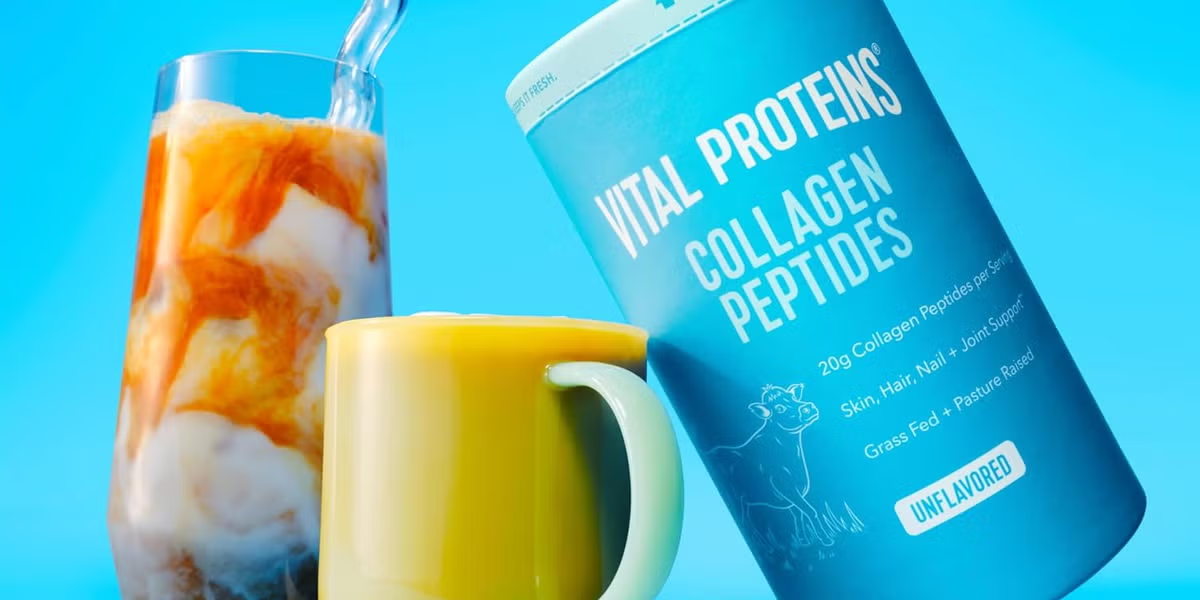
- Best Collagen for Weight Loss:Vital Proteins Collagen Peptides
What to Consider
Protein Content
A good protein powder typically provides 20 to 30 grams of high-quality protein per serving. That’s an effective range for supporting muscle recovery, growth, and overall daily protein intake.
It’s also important to consider protein density, or how much protein you’re getting relative to calories, carbohydrates, and fats. Especially for weight loss, a higher protein-to-calorie ratio helps keep overall calorie intake in check.
Protein Source
Protein powders come from a variety of sources, and the right choice depends on your dietary preferences, goals, and any sensitivities.
Dairy-based proteins—like whey and casein—are complete proteins, meaning they contain all nine essential amino acids needed for muscle repair, recovery, and overall health. Whey is fast-digesting, commonly used post-workout, and linked to improvements in body composition. Casein digests more slowly and may promote greater fullness. Collagen is another animal-based option, but it is not a complete protein and is typically used more for skin, hair, and joint support.
Plant-based proteins—such as pea, soy, and blends—are great options for those who need dairy or animal alternatives, whether due to allergies, intolerances, or preferences. While some single-plant sources may lack certain amino acids, blended formulas can provide a complete amino acid profile comparable to animal-based proteins.
Taste and Texture
Taste may be one of the most important factors to consider—because if you don’t enjoy your protein powder, it’s far more likely to collect dust in your pantry. Texture matters too, and can influence your overall experience just as much as flavor. This often comes down to the type of protein used: Milk-based proteins like whey and casein tend to be smoother and creamier, while plant-based powders can be slightly thicker, with a more earthy taste.
When choosing a flavor, consider how you’ll use it day to day. If you’re mostly sipping on shakes, go with a flavor that you know you’ll like. But if you plan to mix protein into coffee, smoothies, oats, or recipes, versatility enters the chat. Vanilla is typically the most adaptable option, while chocolate is a reliable go-to for shakes and dessert-style uses. More unique flavors can be fun, but they may be harder to incorporate across different meals and recipes.
Third-Party Certifications
Dietary supplements, including protein powders, aren’t closely regulated by the Food and Drug Administration (FDA), which means quality can vary widely. Third-party testing from organizations like NSF, USP, or Informed Choice verifies purity, safety, and accurate labeling, so you can be confident the product contains exactly what it claims and is free from banned substances.
How We Selected
I’m a St. Louis-based registered dietitian with nearly a decade of experience in nutrition writing and editing. The Women’s Health team has been testing protein powders for years, and updating this guide since 2023. After carefully evaluating dozens of protein powders myself, I narrowed down the best options, assessing their quality, third-party testing standards, formulation, digestibility, and effectiveness for recovery.
I then looked to Women’s Health editors for their testing feedback and experiences. With all of that, I narrowed down the best protein powders for a range of dietary preferences.
Optimum Nutrition Gold Standard 100% Whey Protein Powder

Pros
- Lean protein source that’s low in carbs and fat
- Third-party tested by Informed Choice
- Available in a wide variety of flavors for all cravings and uses

Cons
- Not recommended for those tested for banned substances
- Not suitable for dairy-free diets

| Cost Per Serving | $1.72 |
| Protein Per Serving | 24 grams |
| Calories Per Serving | 120 |
| Flavors | Banana cream, caramel macchiato, chocolate, chocolate coconut, chocolate hazelnut, chocolate mint, chocolate peanut butter, cinnamon roll, coffee, cookies & cream, delicious strawberry, double rich chocolate, extreme milk chocolate, French vanilla crème, fruity cereal, mocha cappuccino, rocky road, s’mores, strawberries & cream, strawberry banana, vanilla, vanilla ice cream, white chocolate |
This powder earns the top spot for weight loss thanks to its lean macronutrient profile, third-party certification, wide flavor selection, and approachable price point. It’s a practical, high-value option for anyone looking to increase protein intake without adding unnecessary calories.
Each serving delivers 24 grams of protein from a blend of whey protein isolate, whey protein concentrate, and hydrolyzed whey, with isolate as the primary source. This helps keep carbs and fat low—no more than 4 grams of carbs and 2 grams of fat per serving—making it a solid choice for supporting lean muscle while in a calorie deficit, especially when paired with resistance training.
Optimum Nutrition offers more than 20 options ranging from classics like chocolate and vanilla to more adventurous picks like cinnamon roll, fruity cereal, and s’mores.
Read More: Best Protein Powders
Momentous Grass Fed Whey Protein Isolate Powder

Pros
- Lean protein option with minimal carbs and fat
- Unflavored version for easy mixing into smoothies, coffee, or recipes
- Includes a protein enzyme blend to support digestion and absorption
- NSF Certified for Sport
Cons
- Fewer flavor options compared to other powders
- Whey protein isolate may be less filling than other protein sources
| Cost Per Serving | $2.40 |
| Protein Per Serving | 23 grams |
| Calories Per Serving | 90 grams |
| Flavors | Chocolate, chocolate coconut, pure cinnamon, spiced chai, strawberry, unflavored, vanilla |
This powder uses grass-fed whey isolate, so it’s naturally low in carbs and fat, delivering 23 grams of protein for just 90 calories per serving.
Alongside whey protein isolate, it includes ProHydrolase, a patented digestive enzyme blend that may enhance protein digestion and absorption—a helpful perk if you’re sensitive to protein powders.
The protein powder is sweetened with monk fruit and stevia and the flavor options range from more standard picks—like chocolate and vanilla—to spiced chai and cinnamon. There’s also an unflavored version, which makes it versatile for disguising protein in smoothies, coffee, and other recipes.
Another big plus is its NSF Certified for Sport designation, one of the highest standards that ensures it’s tested for banned substances, heavy metals, and contaminants.
Read More: Best Supplements for Women
Bare Performance Nutrition Whey Protein

Pros
- Balanced whey and casein blend for fast recovery and sustained fullness
- Creamy and smooth consistency
- NSF Certified for Sport
Cons
- More carbs and fat than other protein powders on this list
| Cost Per Serving | $1.85 |
| Protein Per Serving | 25 grams |
| Calories Per Serving | 130 grams |
| Flavors | Banana French toast, blueberry muffin, chocolate peanut butter, cinnamon role, fudge chocolate, milk n’ cookies, peanut butter, pumpkin spice, strawberry, vanilla |
The combo of whey and casein offers the best of both worlds: whey digests quickly to support muscle recovery, while casein digests more slowly, helping you stay satisfied longer—which can be exactly what you need to go one more (#IYKYK) hour, one more task, or one more workout without feeling depleted.
Each serving provides 25 grams of high-quality protein with up to 7 grams of carbs and 3 grams of fat, depending on the flavor. Good ole’ vanilla and blueberry muffin are personal flavorites, but, honestly, I think you’d be happy with any tub or two in your pantry.
The formula is naturally flavored, sweetened with stevia and monk fruit, and free of hormones, rBST, and GMOs. It’s also NSF Certified for Sport and third-party tested for protein content, heavy metals, allergens, and microbes. For me, that level of trust, transparency, and reliability makes it one of the few powders I subscribe to.
Ritual Essential Protein Daily Shake

Pros
- Vegan-friendly protein powder with all essential amino acids
- Contains fiber for added satiety
- Strong certifications and transparency
Cons
- Only available in chocolate and vanilla
- Velcro closure, which can be harder to reseal than a standard screw-top
- No included scoop
| Cost Per Serving | $3.27 |
| Protein Per Serving | 20 grams |
| Calories Per Serving | 120 grams |
| Flavors | Chocolate, vanilla |
This powder offers a well-rounded plant-based option for those looking for an alternative to dairy and animal proteins. Each serving provides 20 grams of protein for 120 to 130 calories, along with fiber to support fullness—making it a solid pick for weight loss and overall nutrition.
The formula uses organic pea protein with added methionine, an essential amino acid the body can’t produce on its own, and we must obtain from dietary sources. Pea protein is naturally low in methionine, so adding it creates a more complete amino acid profile—a thoughtful, yet rare touch among other plant protein powders. It also includes 120 milligrams of choline, an essential nutrient that supports methionine metabolism and helps address common dietary gaps.
As with all Ritual products, the ingredient list is simple and intentional, featuring natural flavors, coconut MCT oil for creaminess, and sweeteners like stevia and monk fruit. While flavor options are limited to chocolate and vanilla, the powder mixes surprisingly smoothly for a plant-based protein, with a very pleasant taste.
Ritual also places a strong emphasis on testing and transparency. It’s NSF Contents Certified, meaning each batch is tested for heavy metals, pesticides, and other contaminants—an important consideration with plant-based proteins, where sourcing can vary widely.
Ka’Chava Whole Body Meal Protein Powder

Pros
- Nutrient-dense, all-in-one formula with over 85 superfoods for whole-body health
- High protein and fiber to support fullness and reduce snacking
- Complete amino acid profile from yellow pea and brown rice proteins
Cons
- 240 calories per serving may be too light as a full meal replacement
- Follows Current Good Manufacturing Practices (cGMP), but third-party labs are only used for verification and validation
| Cost Per Serving | $4.66 |
| Protein Per Serving | 25 grams |
| Calories Per Serving | 240 grams |
| Flavors | Chai, chocolate, chocolate mint, coconut acai, coffee, matcha, strawberry, vanilla |
Looking for a more balanced, filling option than a typical protein shake? Ka’Chava delivers 240 calories, 25 grams of plant-based protein, and 6 grams of fiber per serving, supporting sustained energy and lasting satiety.
While it’s more calorie-dense than most protein powders, that’s exactly what makes it an effective meal replacement. I can attest: unlike most shakes I’ve tried, it keeps me satisfied for hours. I enjoy mixing vanilla or chocolate with almond milk and coffee for a quick, filling breakfast—perfect for mornings on the go or long stretches at my desk.
Ka’Chava also packs a variety of functional ingredients, including omega-3s, MCTs, antioxidants, adaptogens, probiotics, digestive enzymes, and a greens blend. Even with its long ingredient list, it mixes smoothly with minimal grit and avoids the overly earthy flavor typical of plant-based powders.
Vital Proteins Collagen Peptides


Pros
- Grass-fed, pasture-raised bovine with a generous collagen dose
- NSF Certified for Sport—tested for banned substances and safe for athletes
- No added sugars in flavored options
Cons
- Flavored options use natural flavors and stevia, which may not appeal to everyone
- Contains only types I and III collagen, less targeted for joint support (type II)
- No measuring scoop included
| Cost Per Serving | $2.07 |
| Protein Per Serving | 18 grams |
| Calories Per Serving | 70 grams |
| Flavors | Caramel, chocolate, lemon, pumpkin spice, unflavored, vanilla |
Each serving provides 20 grams of collagen peptides and 18 grams of protein from grass-fed, pasture-raised bovine, aligning with the research showing collagen may help reduce body fat while increasing fat-free mass.
It’s also incredibly easy to work into your routine. Stir it into coffee, blend it into smoothies, or mix it into yogurt or even soups. Flavored options like chocolate, lemon, matcha, pumpkin spice, and vanilla use natural flavors and stevia without added sugar, while the Unflavored version is as minimal as it gets—aka, it contains only collagen peptides. Bonus: it’s NSF Certified for Sport, so it’s been tested for banned substances and contaminants.
Just remember: Collagen isn’t a complete protein, so it lacks all the essential amino acids we must obtain from protein-rich foods or supplements. Round things out with other complete protein sources—like beef, chicken, Greek yogurt, eggs, or another high-quality protein powder—to cover your nutritional bases and support your goals.
Meet the Experts
- Crystal Zabka-Belsky, MS, RD is a resident dietitian at Clean Eatz Kitchen.
- Laurie Schubert, PhD, RD is a sports dietitian and the Chair of the Medical, Health, and Wellness committee for USA Ninja.
Frequently Asked Questions
What is protein powder, and how can it affect weight loss?
“Protein powder is an isolated version of protein intended to boost overall protein intake without having to consume the whole food source of the protein,” says Zabka-Belsky. While convenient, it’s important to remember that protein powder is a supplement, not a replacement for whole-food protein sources. Whole foods provide additional nutrients—like fiber, vitamins, and minerals—that protein powders alone don’t fully offer.
“The ingestion of protein supplements can be associated with weight loss in a variety of ways,” says Zabka-Belsky. “It can be used to reduce food cravings and grazing throughout the day and, when consumed in doses, it can promote consistent muscle protein synthesis, which enhances optimal muscle mass.”
TL;DR: Protein powders can help you stay full, support lean muscle, and stick to a calorie-controlled eating pattern—all essential for weight loss and long-term weight management.
What type of protein powder is best for weight loss?
Whey protein, a fast-digesting milk protein, is a top choice for weight loss because it’s typically lean and supports improved body composition—especially when paired with resistance training and a calorie deficit. “Casein is recommended at the end of the day because it is slower digesting and promotes restful recovery overnight,” says Zabka-Belsky.
That said, the most important factor is meeting your daily protein and calorie needs to support your weight loss goals, whether that comes from whey, casein, or another high-quality animal- or plant-based protein powder.
How many grams of protein per day should I aim for when trying to lose weight?
Diets containing 1.2 to 1.6 grams of protein per kilogram of body weight per day can help regulate appetite and support weight management, according to The American Journal of Clinical Nutrition. To put this in perspective, someone weighing 200 pounds (about 91 kilograms) should aim for roughly 109 to 146 grams of protein per day. (To convert pounds to kilograms, divide your weight in pounds by 2.2.)
Keep in mind that your exact protein needs depend on factors like your age, body weight, and exercise routine. Because individual needs can vary, it’s always a good idea to consult a healthcare professional or registered dietitian to determine your optimal protein target.
How often should you have protein powder in a day?
Generally speaking, you should stick to 1 to 2 servings per day, since protein powder should supplement a balanced diet. The rest of your protein should come from whole foods—like chicken, sirloin, Greek yogurt, and beans—which provide nutrients you won’t find, even in the “best” protein powders.
Also remember that protein shakes shouldn’t replace meals. ”Protein powders don’t have enough calories or nutrition to be actual meals,” says nutritionist Megan Byrd, RD. Instead, enjoy them as a post-workout shake, or mix them into smoothies or baked goods to make snacks more filling and nutritionally balanced.
What should you look for in a protein powder if you’re trying to lose weight?
When choosing a protein powder for weight loss, start with the protein content and source. Aim for at least 20 grams of protein per serving from a complete source, such as whey or casein, or a plant-based blend, such as pea and rice, that provides all essential amino acids. Some plant proteins also include added essential amino acids to round out their profile.
Next, consider the macros. A good option should be high in protein and low in fat and carbs. Many plant-based powders also naturally contain fiber, which can help increase the feeling of fullness.
And a word from the wise: don’t underestimate the power of flavor. Choosing a protein powder you genuinely enjoy can make a big difference in your weight loss journey—especially if it helps curb cravings for higher-calorie treats that leave you feeling unsatisfied.
Shop Women’s Health’s Training Guides

Women’s Health Strong & Fit After 40

Women’s Health The Woman’s Guide To Strength Training: Dumbbells

Women’s Health The Woman’s Guide to Strength Training
Sydney Lappe, RDN, is a St. Louis-based dietitian with nearly a decade of experience in nutrition writing and editing. With a background in psychology, she writes about the connections between diet, fitness, and mental health.

Paul Kita is a Deputy Editor at Men’s Health, where he has covered food, cooking, nutrition, supplements, grooming, tech, travel, and fatherhood at the brand for more than 15 years. He is also the author of two Men’s Health cookbooks, Guy Gourmet and A Man, A Pan, A Plan, and the winner of a James Beard Award.


Post Comment